By Shiraz Noorani, Graduate Student Researcher, Center for the Humanities, UC Merced
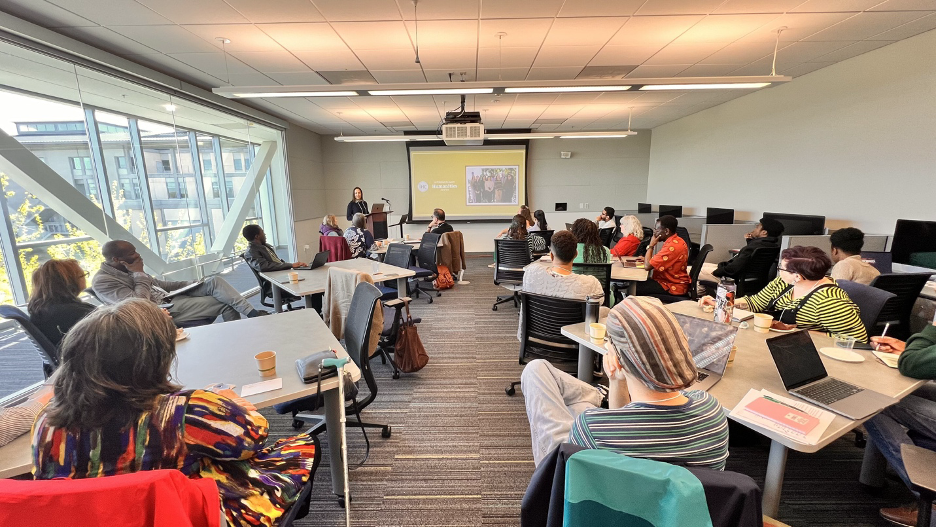
A one-day Public Humanities Boot Camp was held in the Public Humanities Design Studio last spring, featuring seven speakers from across California who shared examples, methods, and best practices related to engaging communities.
Susan Derwin, the director of the Interdisciplinary Humanities Center and professor of German and comparative literature at UC Santa Barbara, launched the boot camp and shared several of UCSB’s public humanities projects, including, “The Making of Monuments.”
In her project, she works with teachers from the Santa Barbara Unified School District to develop lesson plans that introduce students to the significance of historical memory and their role as caretakers of those memories and the public narratives surrounding them. According to Derwin, doing public humanities does not only mean spreading knowledge but also working with communities and valuing their cultures.
Next, Rosemary A. Joyce, Emeritus Professor of Anthropology and a former museum director at UC Berkeley presented, “Exhibition Curation and Cultural Equity: Lessons from Teaching and Practice.” She explained how museums can represent various voices, narratives, and histories. She expressed that museums do not only portray different communities’ stories but also ask the communities for an active engagement in presenting their own stories. She emphasized respecting the historical narratives and cultural objects of different communities.
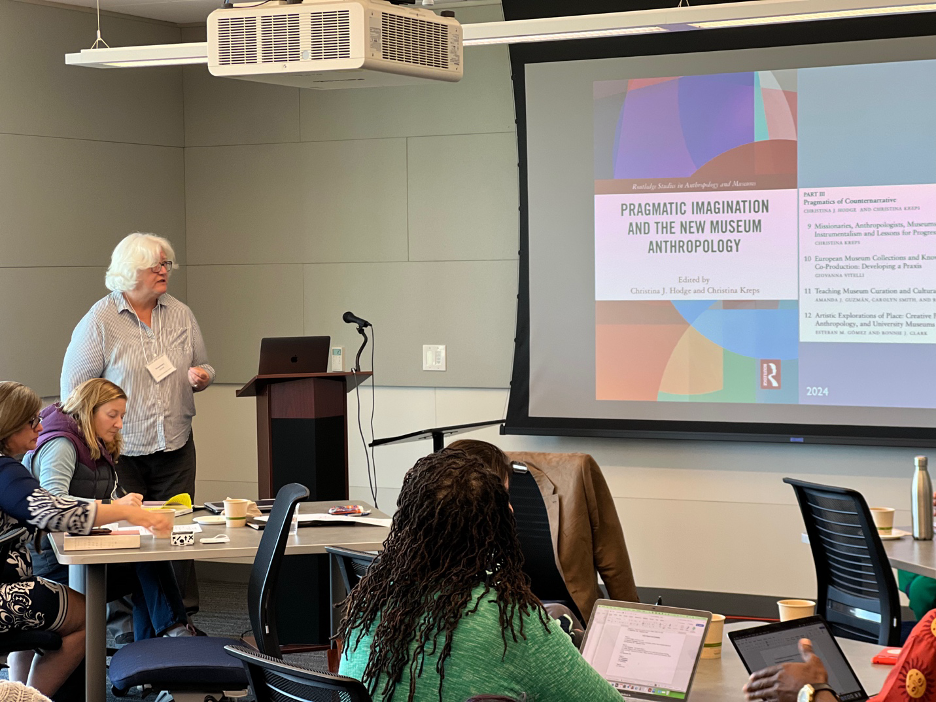
Rosemary emphasized the ethical responsibilities that museum exhibit curation and design should address. She said that a common mistake anthropologists make is speaking for communities rather than speaking with them, which leads to misrepresentation. She talked about the necessity for collaborative protocols that include community representatives in the decision-making process. She also stressed the need for flexibility in curatorial approaches, respect for culturally sensitive collections, and thoughtful consideration of language. She highlighted the issues of knowledge appropriation and the need to respect community-imposed restrictions on how cultural materials are displayed or interpreted.
Later in the day, Professors Benjamin D. Weber and Ofelia Ortiz Cuevas from UC Davis along with Assistant Professor Marlene Mercado from California State University, San Marcos, shared their project titled, “Beyond the Barriers and Open Letters from Prison.” In this project, the aim is to publish artwork and writing from four prisons in California. This project helps many people to be heard while they are behind bars, people who might have been silenced for years. This project was a good example of how public humanities can assist in healing open wounds and seeking justice.

Finally, Robin DeLugan, professor of Anthropology at UC Merced, presented a summary about the history of UC Merced and its collaborations with local communities highlighting our Carnegie Classification for Community-Engaged Research and our Luce Foundation Grant. She explained how community-engaged research projects have helped faculty, staff, and graduate students to be connected with local communities. At the end of this session, Christina Lux, the managing director of the Center for the Humanities at UC Merced, talked about the differences and similarities between public humanities and community-engaged research.
We ended the day by asking attendees to do a group activity, sharing their thoughts about public humanities and community-engaged research using a deck of “Public Scholar Conversation Cards” developed by Imagining America: Artists and Scholars in Public Life.
