Daniel Nnadi, Graduate Student Researcher, Center for Humanities, University of California Merced
A society, state, and diaspora heal from a fractured past when collective memory transforms displacement into a shared commitment to justice. In 1972, Ugandan President Idi Amin issued a dictatorial decree forcing nearly 80,000 South Asians to leave the country within 90 days. While historically remembered as a tragic tale of sudden uprooting, moving forward requires acknowledging this trauma while rebuilding broken institutional and cultural bonds. True reconciliation occurs when the state actively repairs historical injustices, the diaspora finds a voice in both its ancestral and adopted homes, and society fosters an inclusive identity that prevents future marginalization.
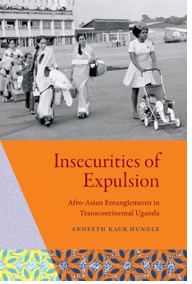
In an October 7, 2026 talk at UC Merced’s Center for the Humanities, author and anthropologist Anneeth Kaur Hundle shed light on this path past trauma. Kaur Hundle, Associate Professor of Anthropology and Presidential Chair in Social Sciences to Advance Sikh Studies at UC Irvine, presented insights from her new book, Insecurities of Expulsion: Afro-Asian Entanglements in Transcontinental Uganda. She challenged the audience to look deeper into classed race, ethno-religious, caste-based and gendered hierarchies within racially privileged yet noncitizen Ugandan Asian and other South Asian-Descendant communities.
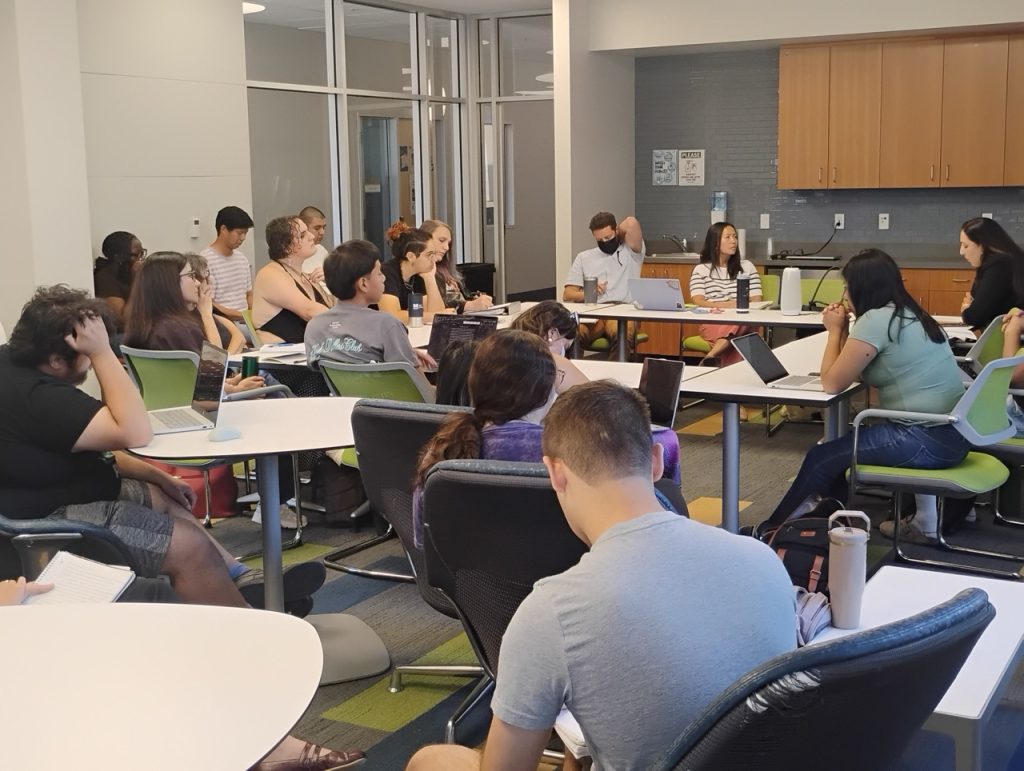
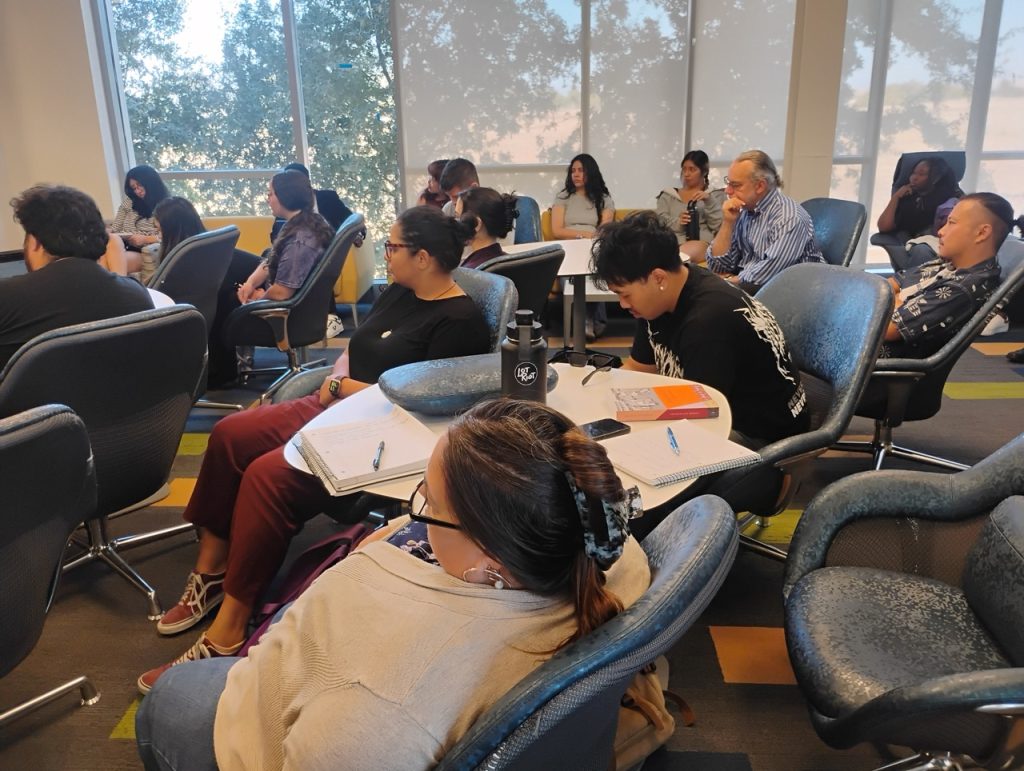
The talk brought together a deeply engaged audience of UC Merced faculty, staff, and students to explore the book’s core themes of displacement, institutional vulnerability, and what it means to rebuild after being cast aside.
Prof. Hundle explained that the 1972 expulsion should not be treated as a parochial anomaly. Instead, she positioned it as a global critical event that exposed how imperial, colonial, and capitalist structures shape modern anxieties about who truly gets to be a citizen.
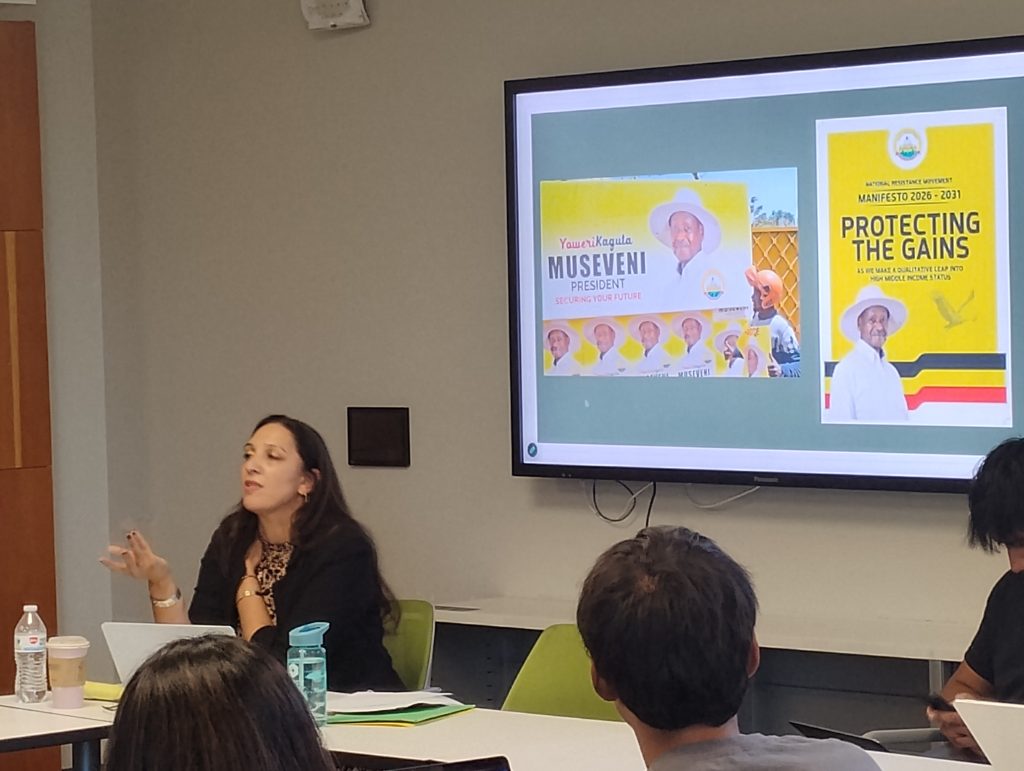
A fascinating portion of the talk also centered on Uganda’s post-1986 history, when President Yoweri Museveni invited expelled South Asians to return and reclaim expropriated properties. Though the returnees were welcomed back under the banner of foreign direct investment and neoliberal capitalism, they often found themselves structurally included as investor-citizens but still culturally or socially marginalized from full national belonging. It raised a haunting question: Is citizenship secure if it is primarily valued through economic utility?
By examining these historical injustices, she illuminated the quiet, daily negotiations of safety that define the local community’s ongoing presence. This talk provided a powerful lens into how modern-day survival is intimately shaped by past traumas. Rather than viewing history as static, the talk illustrated that displaced populations continuously navigated invisible boundaries to establish security. Ultimately, the book presentation shed light on the resilient spirit of a community forging its identity amidst the lingering echoes of systemic displacement in transcontinental Uganda.
Dr. Hundle drew similarities between Idi Amin’s economic war and expulsion of South Asians to Donald Trump’s mass deportation of undocumented immigrants, pointing out that both actions were justified by claims that targeted populations drain national resources and take jobs from citizens. Both leaders use economic scapegoating which serves as a political weapon by blaming minority groups for complex systemic failures.
In Insecurities of Expulsion, Dr. Hundle challenges romanticized narratives of racial reconciliation by rejecting feel-good solidarity and instead framing the post-expulsion landscape through a politics of racial non-reconciliation. She argues that true pluralism and reconciliation require addressing internal dynamics like class, gender, and race rather than relying on clean, simplified accounts of Afro-South Asian harmony.
She also challenges hegemonic diaspora studies by rejecting the notion that displaced communities exist in isolation or are tied solely to a single point of origin. She introduces transcontinental frameworks that connect scattered populations back to African realities which is centered on ongoing Afro-Asian entanglements and exposes the class-based exclusions of neoliberal investor-citizenship.
In sharing her work with an engaged audience at UC Merced, Prof. Hundle provided not only a lively overview of her latest scholarship, but also a call to action to engage in difficult conversations about how historical trauma lingers across shifting geopolitical landscapes.